
Blog summary: A wealth reset helps biotech executives assess whether their money supported their intended priorities this year. Through TQM’s semi-annual Critical Path approach, leaders align lumpy compensation with real goals, evaluate emotional responses to volatility, and build confidence by ensuring their financial world stays on track.

Biotech is an industry shaped by uncertainty. Trial results shift timelines. FDA decisions change expectations. Fundraising conditions rise and fall without warning. You cannot control the industry around you, but you can control how prepared you are.
A wealth reset is a quiet moment to pause, breathe, and look honestly at what happened this year through comprehensive financial planning.
At TQM Wealth Partners, this is always where we begin. The first conversation is never about markets or performance. It is about you. We start by reconnecting you with the intentions you set for your money and checking whether your decisions matched what mattered most. When your financial life moves at the same pace as your career, clarity grows. When it does not, drift begins.
Revisit the Original Plan
Think back to where you were twelve months ago. You likely had goals that felt meaningful. Perhaps you wanted to increase your liquidity, diversify concentrated equity, update your estate plan, build an education strategy, or prepare for a career transition. These priorities deserve space and reflection.
A wealth reset helps you ask gentle but important questions:
- Did you fund the things you said you would fund?
- Did your actions follow your intentions?
- Did life move faster than your plan?
- Did income or workload shift your focus without you noticing?
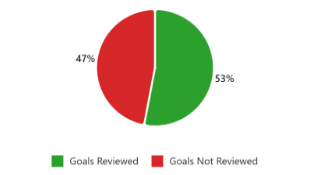
Graph showing: Nearly 47% of high-income professionals did not review their goals at all last year, even though compensation and responsibilities changed significantly (Financial Planning Association). Suggested visualization: Pie chart or bar graph comparing “Goals Reviewed” (53%) vs “Goals Not Reviewed” (47%) to highlight how common goal drift becomes even among successful professionals.
When goals go unreviewed, confidence erodes quietly. When they are revisited, even briefly, a sense of direction returns.
Match Cash Flows to Real Life
Biotech compensation is rarely steady. Bonuses arrive all at once. RSUs vest in clusters. Sometimes a liquidity event shows up after years of waiting. When life moves quickly, it becomes easy for these irregular inflows to blend into everyday spending without advancing anything meaningful.
A wealth reset helps you look at each inflow with intention:
- Did vesting events support your goals?
- Did cash flow strengthen your runway?
- Did income reduce concentration or improve your long-term plan?
- Or did the inflows get absorbed by lifestyle without moving your plan forward?
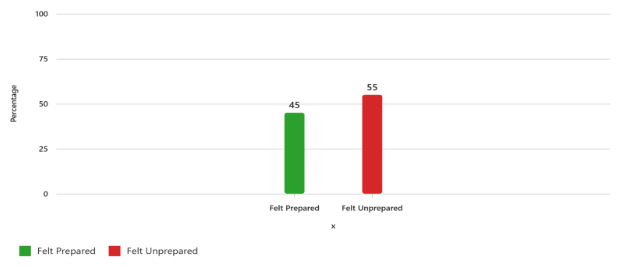
Graph showing: More than 55% of executives with equity compensation felt unprepared for the tax and cash flow impact of vesting events (Fidelity Compensation and Benefits Study). Suggested visualization: Bar chart showing “Felt Prepared” (45%) vs “Felt Unprepared” (55%+) to emphasize that even high earners benefit from structured planning.
Confidence grows when every dollar that enters your life has a role.
Check Your Emotional Risk Level
Biotech executives understand volatility more than most. You see how sentiment swings. You watch markets react to early data, trial pauses, and funding cycles. Despite that understanding, personal investing can feel very different from professional decision making.
- A wealth reset helps you review your financial progress and reflect on how you responded this year.
- Did you stay invested during volatility.
- Did market swings create stress.
- Did uncertainty push you to take actions that did not feel aligned with your long-term plan.
Vanguard’s Behavioral Risk Study shows that emotional decisions during periods of market decline remain one of the most significant contributors to long term underperformance. A plan that respects your emotional risk level gives you calm even when the world around you feels unpredictable. Confidence is not about eliminating volatility. It is about knowing that your plan can support you through it.
Why This Matters for Biotech Executives
Leading your team in biotech requires near constant decision making. You carry the weight of people, programs, deadlines, and outcomes. When your financial life feels scattered or unclear, it creates quiet tension beneath the surface. It can make every decision feel heavier.
The reverse is also true. When your financial life is structured, intentional, and aligned with your long-term goals, something shifts. You feel steady. You feel more grounded. You make decisions with more clarity. You lead with more presence.
A biotech COO we worked with described years of feeling a quiet background pressure, even though his compensation and equity were strong. During his first wealth reset, he realized that he was leading his company with confidence but managing his financial life reactively. After reconnecting his decisions to his Critical Path® and confirming that his priorities were actually funded, he said that he felt lighter. He said that he could finally focus on leading his team without worrying about what he had postponed financially.
This is the impact of confidence through planning. When your financial life aligns with who you are and where you are going, everything else becomes clearer.
A Wealth Reset That Sets the Stage for the Year Ahead
Clarity creates confidence. A year-end wealth reset reveals whether your money supported your goals or drifted away from them. It gives you a chance to redirect, refine, and reconnect your plan with your current life.
A semi-annual rhythm strengthens this clarity. Every six months, you check whether your plan still reflects your goals, your values, and your reality. You adjust for new income patterns. You update your priorities. You stay connected to your Critical Path®, so you can move into each new chapter with confidence instead of reacting to the pace of the industry.
At TQM Wealth Partners, we begin every relationship with this question: Did your money do what you wanted this year? When the answer is clear, confidence follows. When it is not, we help you build a plan that brings clarity back into your life.
Book a Meeting
Meet with our team to explore how a wealth reset and Critical Path review can bring clarity and confidence to every financial decision you make.